Vintage Pink Shabby Chic Paper: A Nostalgic Trend for Modern Creatives
In a world that constantly moves forward, there's a quiet but powerful movement toward the past. Vintage Pink Shabby Chic Paper is more than just a design aesthetic—it’s a lifestyle choice, a creative tool, and a reflection of a growing desire to connect with authenticity and nostalgia in an increasingly digital age.
What Is Vintage Pink Shabby Chic Paper?
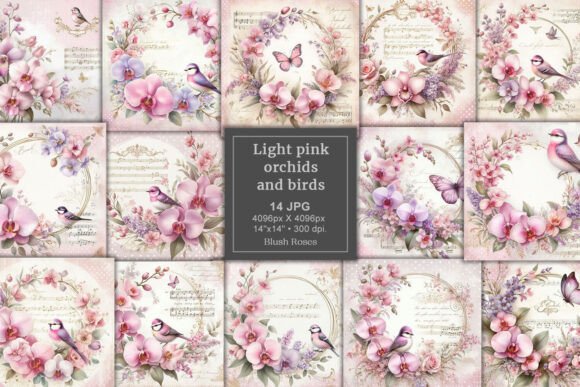
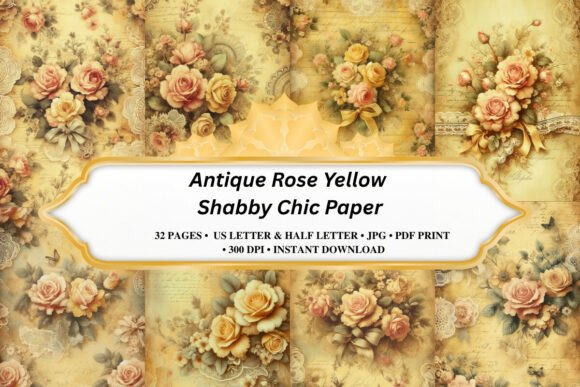
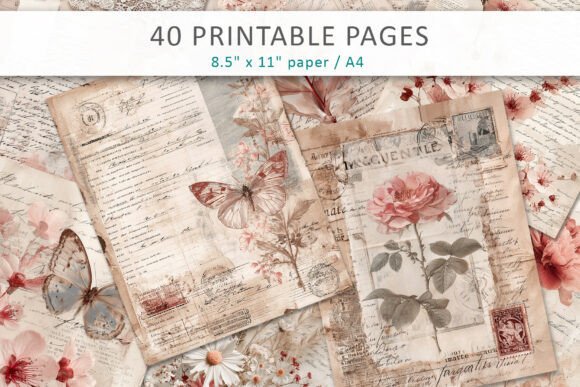
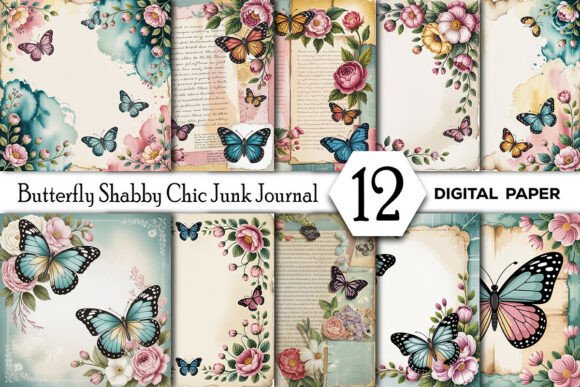
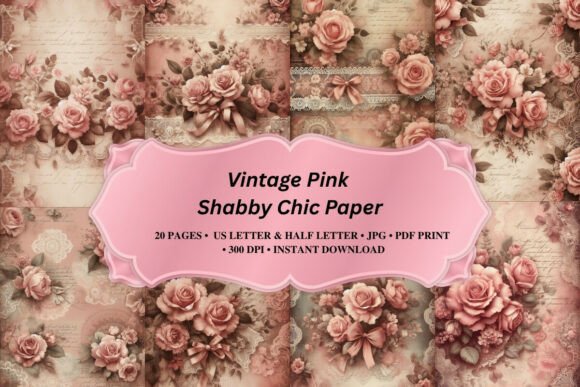
Vintage Pink Shabby Chic Paper is a collection of digital journal pages designed to evoke the charm of old-world craftsmanship. These papers feature seamless vintage shabby chic florals, soft pink rose patterns, delicate lace doily borders, and ribbon bows. Handwritten script overlays add a personal touch, while tonal variations and a subtly distressed look create a romantic, feminine atmosphere.
Each page is layered over soft, weathered textures and aged paper in beautiful blush and rose pink tones. This combination creates a sense of timelessness, making it ideal for storytelling, luxury creative projects, and artistic expression. The result is a visual language that feels both nostalgic and modern, bridging the gap between past and present.
The Rise of Nostalgia in Design and Creativity
Nostalgia has become a powerful force in contemporary design and creativity. As people seek meaning in a fast-paced, technology-driven world, they are turning to aesthetics that evoke comfort, warmth, and familiarity. Vintage Pink Shabby Chic Paper taps into this trend by offering a visually soothing and emotionally resonant experience.
This isn’t just about aesthetics; it’s about connection. In a time when digital interactions often feel impersonal, the tactile and visual elements of Vintage Pink Shabby Chic Paper offer a sense of intimacy and craftsmanship that is hard to replicate in virtual spaces. It invites creators to slow down, engage more deeply with their work, and find joy in the process rather than just the product.
Why Is This Trend Gaining Attention?
Several factors contribute to the growing popularity of Vintage Pink Shabby Chic Paper. First, there’s a shift in consumer behavior toward personalized and meaningful experiences. People are no longer satisfied with mass-produced items—they want products that reflect their individuality and tell a story.
Second, the rise of remote work and digital creativity has led to a greater demand for tools that support emotional well-being and creative expression. Vintage Pink Shabby Chic Paper provides a way for creators to infuse their projects with character and soul, whether they’re designing stationery, scrapbooking, or creating junk journals.
Finally, there’s a renewed interest in sustainability and ethical consumption. Many designers and consumers are choosing materials and designs that are not only beautiful but also eco-conscious. Vintage Pink Shabby Chic Paper, with its emphasis on timeless design and quality, aligns with these values by offering a long-lasting, versatile option that can be used across multiple projects.
Practical Applications for Creators and Entrepreneurs
Vintage Pink Shabby Chic Paper is incredibly versatile, making it a valuable asset for a wide range of creative professionals and entrepreneurs. Here are some practical applications:
- Frame as Art: Print the floral or script-heavy pages for elegant, vintage-inspired wall decor. These pages can serve as standalone art pieces or complement existing interiors with a soft, romantic vibe.
- Junk Journals: Use the pages as nostalgic focal points or beautifully aged background papers. Their distressed textures and soft colors make them perfect for adding depth and character to handmade journals.
- Scrapbooks: Create cohesive layouts, backgrounds, or fussy-cut elements for unique layers. The vintage feel of these papers adds a layer of sophistication and emotion to any scrapbook project.
- Stationery: Design elegant writing paper, invitations, or greeting cards using these pages as a base. The soft pink tones and floral patterns lend themselves well to a variety of stationery needs.
Whether you're a professional designer, a small business owner, or a hobbyist, Vintage Pink Shabby Chic Paper offers a flexible and inspiring solution for your creative projects. Its ability to adapt to different formats—such as Half Letter and A4—makes it accessible to a wide audience, regardless of their preferred paper size or printing method.
How to Use Vintage Pink Shabby Chic Paper Effectively
One of the key advantages of Vintage Pink Shabby Chic Paper is its ease of use. Designed for easy printing, these pages can be printed two per sheet on standard US Letter paper to create a perfect Half Letter journal. Simply select multiple or 2 pages per sheet in your printer settings to resize the pages easily for your junk journal projects.
For those who prefer A4 paper, the files are fully compatible with this format. Just select “Fit to Page” in your printer settings to ensure the pages print correctly without distortion. This flexibility makes Vintage Pink Shabby Chic Paper an excellent choice for both home users and small businesses looking to create high-quality, custom-printed materials.
Conclusion: Embracing the Beauty of the Past in the Present
Vintage Pink Shabby Chic Paper represents more than just a design trend—it’s a response to the human need for connection, authenticity, and beauty. In a world that often prioritizes speed and efficiency, this collection offers a slower, more intentional approach to creativity.
For professionals, creators, and enthusiasts alike, Vintage Pink Shabby Chic Paper is a versatile and inspiring resource that supports both personal expression and business growth. Whether you're crafting a handmade journal, designing stationery, or creating wall art, this collection provides the perfect blend of nostalgia, elegance, and functionality.
As we continue to navigate the intersection of tradition and innovation, Vintage Pink Shabby Chic Paper stands as a testament to the enduring power of design that speaks to the heart. It’s not just about looking back—it’s about finding inspiration in the past to shape a more thoughtful and meaningful future.