The Art of Carnival Lettering and Calligraphic Inscription: A Trend Reshaping Modern Design
In a world that increasingly values personal expression and visual storytelling, Carnival Lettering and Calligraphic Inscription have emerged as powerful tools for creators, entrepreneurs, and designers. These art forms blend the elegance of handcrafted typography with the dynamic energy of festive aesthetics, offering a unique way to communicate messages that resonate emotionally and visually.
What is Carnival Lettering and Calligraphic Inscription?
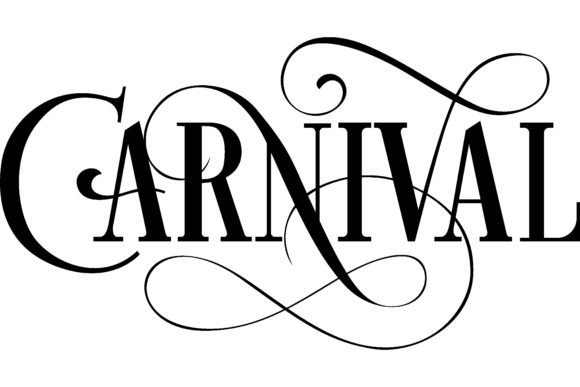
Carnival Lettering refers to a style of typography that mimics the vibrant, playful, and often exaggerated letterforms seen in carnival posters, street signs, and festival banners. It is characterized by bold strokes, exaggerated curves, and a sense of movement that evokes celebration and festivity. This style is often used in branding, event promotions, and creative packaging to capture attention and convey a sense of excitement.
Calligraphic Inscription, on the other hand, is rooted in traditional calligraphy techniques, where letters are formed with fluid, flowing strokes that create a sense of rhythm and grace. It is often associated with handwritten text, but its application extends into modern design through digital tools and custom fonts. The use of swirl elements and handwritten text adds a personal touch, making it ideal for greeting cards, posters, and leaflets.
Why Is This Trend Gaining Attention?
As consumers become more discerning about the visual language they engage with, there's a growing demand for authenticity and uniqueness. Carnival Lettering and Calligraphic Inscription offer both — a blend of artistic flair and emotional resonance that stands out in a sea of generic digital fonts.
Moreover, these styles align with broader trends in the creative industry. The rise of personalized marketing and experiential branding has made handcrafted visuals more valuable than ever. Brands are no longer just selling products; they're telling stories, and Carnival Lettering and Calligraphic Inscription provide a compelling way to do so.
The Role of Technology in Evolving Trends
While these styles have historical roots, their relevance today is amplified by technology. Digital tools like Adobe Illustrator, Procreate, and even AI-powered font generators now allow designers to experiment with calligraphic inscriptions and Carnival Lettering in ways that were once impossible. This accessibility has democratized the craft, enabling creators from all backgrounds to explore and innovate within these styles.
However, the essence of these art forms remains deeply human. Whether it's the deliberate swirls of a hand-drawn letter or the exaggerated curves of a carnival-style headline, the intention behind the design matters. As a result, there's a renewed appreciation for craftsmanship in an era dominated by automation and speed.
Practical Applications Across Industries
Carnival Lettering and Calligraphic Inscription are not confined to niche markets. They are being adopted across various sectors, including:
- Marketing and Advertising: Used in campaign slogans, social media graphics, and event signage to create a memorable visual identity.
- Branding: Incorporated into logos, packaging, and brand collateral to reflect personality and heritage.
- Education: Employed in classroom materials, student projects, and promotional events to foster creativity and engagement.
- Entertainment: Seen in movie posters, music album covers, and live event promotions, where visual impact is key.
These applications highlight how Carnival Lettering and Calligraphic Inscription can be adapted to meet the specific needs of different audiences while maintaining their core aesthetic appeal.
Changing Consumer Preferences and Expectations
Today’s consumers are more informed and selective than ever before. They seek authenticity, quality, and emotional connection in the products and services they choose. Carnival Lettering and Calligraphic Inscription cater to this desire by offering a tactile, visually rich experience that feels personal and meaningful.
Additionally, the shift toward digital-first experiences has led to a greater emphasis on visual hierarchy and readability. While these styles may appear ornate, they are designed to be legible and impactful, ensuring that they remain relevant in both print and digital formats.
Case Studies and Observations
One notable example is the resurgence of handwritten typography in branding. Companies like Lush Cosmetics and Craftsy have successfully integrated Calligraphic Inscription into their visual identity, creating a sense of warmth and individuality that sets them apart from competitors.
Similarly, Carnival Lettering has found a place in the world of event planning. Festivals, pop-up shops, and local markets often use this style to create a cohesive and inviting atmosphere. The bold, eye-catching nature of these designs helps draw attention and build anticipation.
Looking Ahead: The Future of Carnival Lettering and Calligraphic Inscription
As we move forward, the role of Carnival Lettering and Calligraphic Inscription in design will continue to evolve. With the integration of augmented reality (AR) and interactive media, these styles could be enhanced with dynamic elements that respond to user input, further blurring the line between art and technology.
At the same time, there will likely be a continued focus on sustainability and ethical practices. As consumers become more conscious of environmental impact, the use of eco-friendly materials and processes in handcrafted typography will gain importance.
Conclusion
Carnival Lettering and Calligraphic Inscription are more than just aesthetic choices — they are reflections of our evolving relationship with design, creativity, and communication. By embracing these styles, professionals, creators, and entrepreneurs can connect with their audience in a more meaningful and visually compelling way.
Whether you're designing a greeting card, promoting a new product, or building a brand identity, the power of Carnival Lettering and Calligraphic Inscription lies in their ability to transform simple text into a narrative that speaks directly to the heart.